
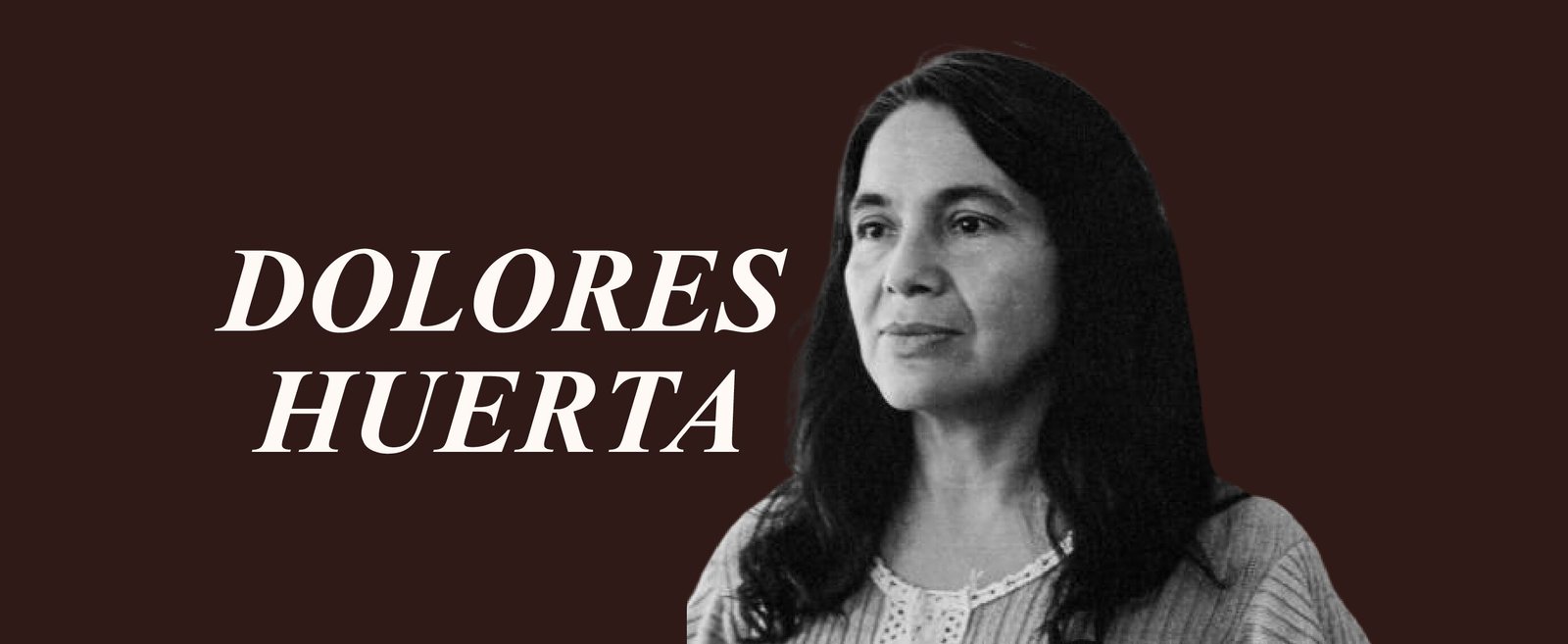
For more than half a century, Dolores Huerta has been one of the most influential labor and civil rights leaders in the United States. Now, at 94, she is again drawing national attention—this time for speaking publicly about alleged abuse within the movement she helped build.
Huerta was born in 1930 in Dawson, New Mexico, and raised in Stockton, California, where her mother ran a hotel and restaurant that often welcomed farmworkers, according to the National Women’s History Museum. That early exposure to working-class communities shaped Huerta’s commitment to social justice.
After briefly working as a teacher, Huerta became involved in labor organizing, eventually co-founding what would become the United Farm Workers union alongside César Chávez. According to Encyclopaedia Britannica, she played a key role in negotiating labor contracts, advocating for safer working conditions, and leading the national grape boycott of the 1960s and 1970s.
Huerta is also widely credited with popularizing the rallying cry “Sí, se puede” (“Yes, we can”), a phrase that became synonymous with labor and civil rights activism, according to the National Women’s History Museum.
For more than half a century, Dolores Huerta has been one of the most influential labor and civil rights leaders in the United States. Now, at 94, she is again drawing national attention—this time for speaking publicly about alleged abuse within the movement she helped build.
“Huerta is also widely credited with popularizing the rallying cry “Sí, se puede” (“Yes, we can”), a phrase that became synonymous with labor and civil rights activism, according to the National Women’s History Museum.”
Huerta was born in 1930 in Dawson, New Mexico, and raised in Stockton, California, where her mother juggled multiple jobs before buying a hotel and restaurant that often welcomed farmworkers. Though her parents were separated, Huerta’s father was a laborer before entering union activism and eventually becoming a state legislator.
After a brief career as a teacher, Huerta turned toward activism, first lobbying California State Legislators for improved pensions for noncitizens. She co-founded the Community Service Organization (CSO) and founded the Agricultural Workers Association.
In 1962, Heurta and César Chávez co-founded what would become the United Farm Workers union. Huerta played a key role in negotiating labor contracts, advocating for safer working conditions, and leading the national grape boycott of the 1960s.
Huerta is also widely credited with popularizing the rallying cry “Sí, se puede” (“Yes, we can”), a phrase that became synonymous with labor and civil rights activism.
In March 2026, Huerta made headlines after publicly accusing Chávez of sexual assault during their years working together. According to a report published by Reuters, Huerta said the alleged abuse occurred while they were organizing farmworkers, marking one of the most significant and controversial revelations in the history of the labor movement.
The accusation has prompted renewed scrutiny of Chávez’s legacy, which has long been revered in American labor history. Huerta’s decision to speak out decades later underscores the complexity of movements built around powerful figures and the ongoing reassessment of their histories.
Despite the controversy, Huerta’s legacy as a pioneering organizer, negotiator, and advocate for workers’ rights remains foundational to the American labor movement.