
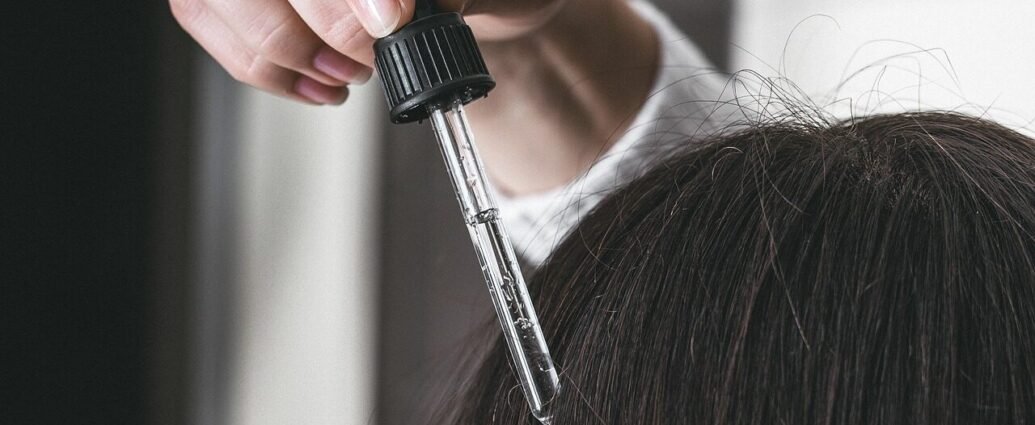
Here’s how six cultures formulate their way to healthier hair.
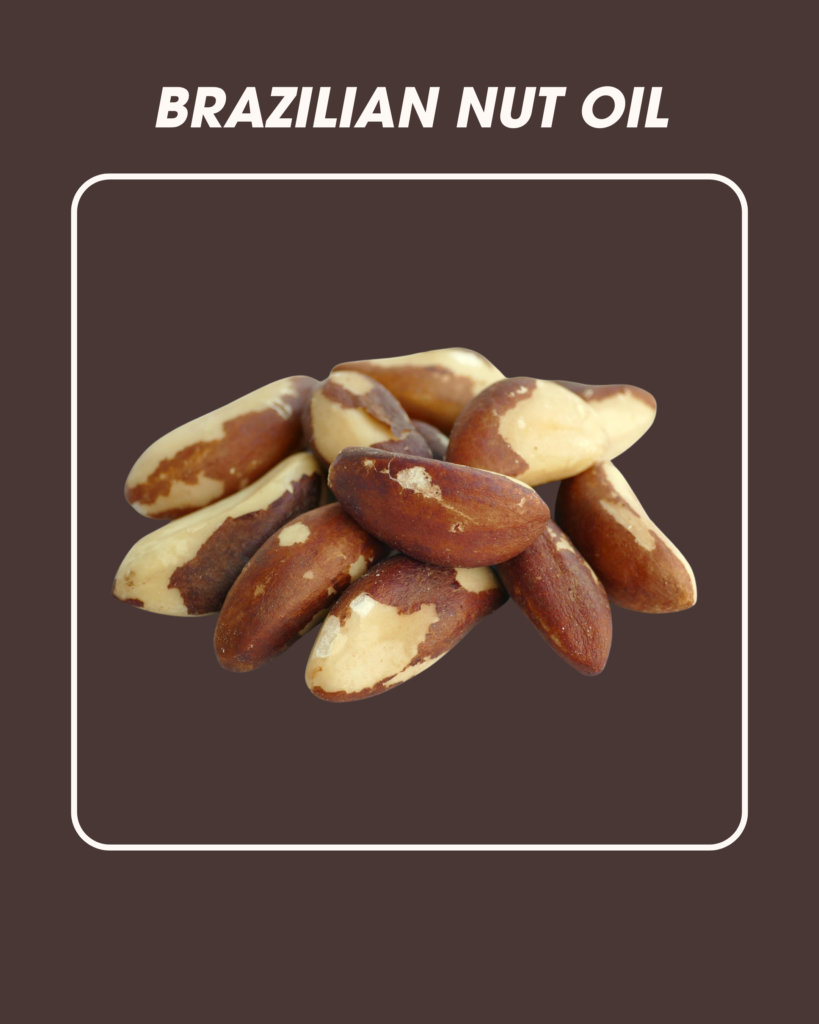
Brazil: Brazil Nut Oil for Deep Conditioning
In the Amazon, Brazil nut oil has been used for generations as both a culinary and cosmetic staple. Extracted from nutrient-dense nuts, which are 60-70% fat and 17% protein, the oil is rich in fatty acids and selenium, which can help nourish and protect the hair.
Brazilian nut oil outperforms other oils when combating split ends, and treatment can make dry hair significantly more manageable.
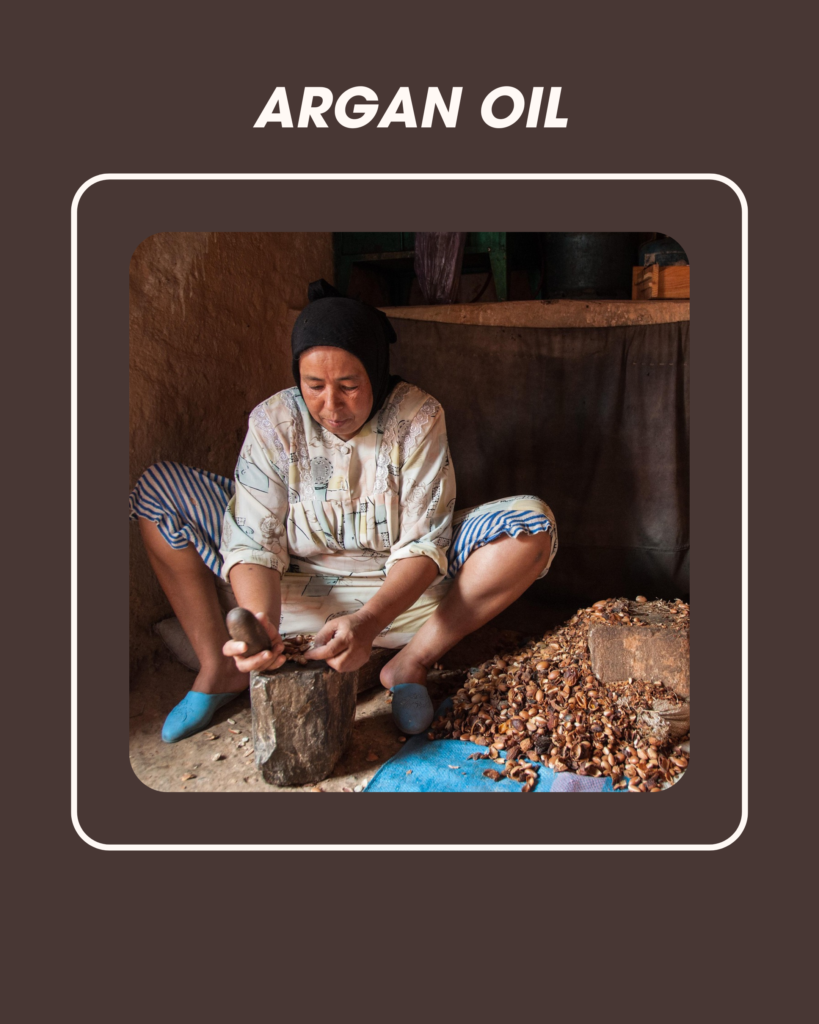
North Africa: Argan Oil for Strength and Shine
Often referred to as “liquid gold,” argan oil has deep roots in Morocco and across North Africa, where it is used in both food and beauty rituals.
Scientific literature highlights argan oil’s high tocopherol (vitamin E) and essential fatty acid content, which contribute to its antioxidant and conditioning properties. According to research, these compounds help protect hair from environmental damage while improving overall nutrient value. Argan oil is also used for skin and nail enhancement, which helps justify the high cost.
Additional research underscores argan oil’s broader role as a cultural and economic resource.
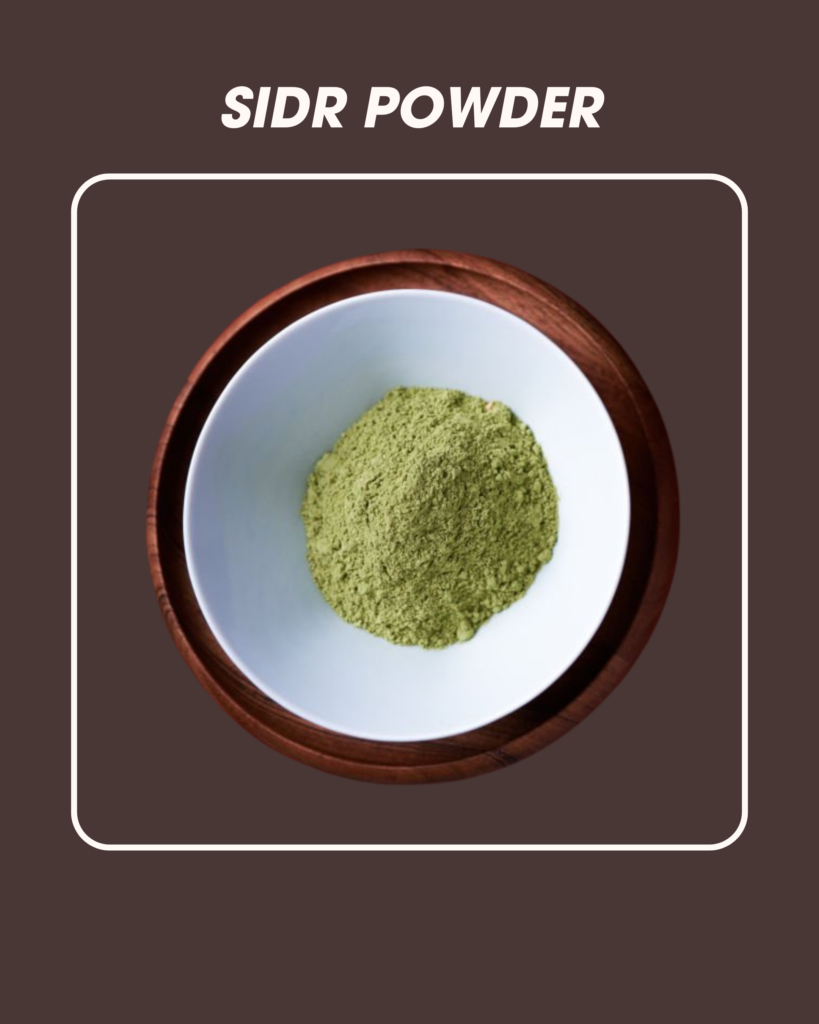
Middle East: Sidr Powder for Scalp Health
Derived from the leaves of the Sidr tree, native to Arabia, Sidr powder has been used in Middle Eastern haircare for centuries as a natural cleanser and strengthening treatment.
The leaves can be dried, ground, and applied to hair like Henna. Researchers also report that the plant is squeezed and applied to the hair to moisturize and promote growth.
As the powder has grown in popularity, cosmetics companies now sell packages of green powder that can be mixed with water to make a paste.
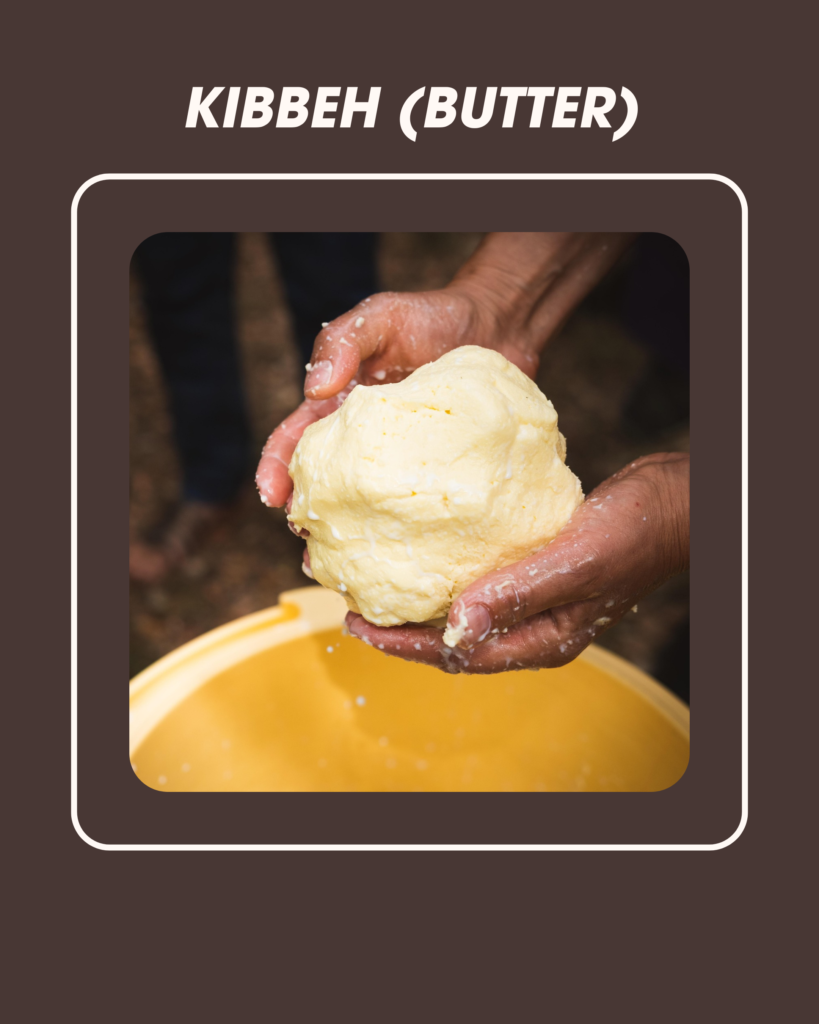
Ethiopia and Eritrea: Kibbeh (Butter) for Moisture Retention
Kibbeh, a spiced butter traditionally used in cooking, plays a special role in Ethiopian and Eritrean haircare rituals.
According to Ethiopian community members, kibbeh is massaged into the hair and scalp to deeply condition strands and promote hair growth.
Researchers also say East African communities apply the butter to hair to help with headaches. Influencers continue to honor their cultural heritage and tradition by using kibbeh and sharing family recipes on popular social platforms.
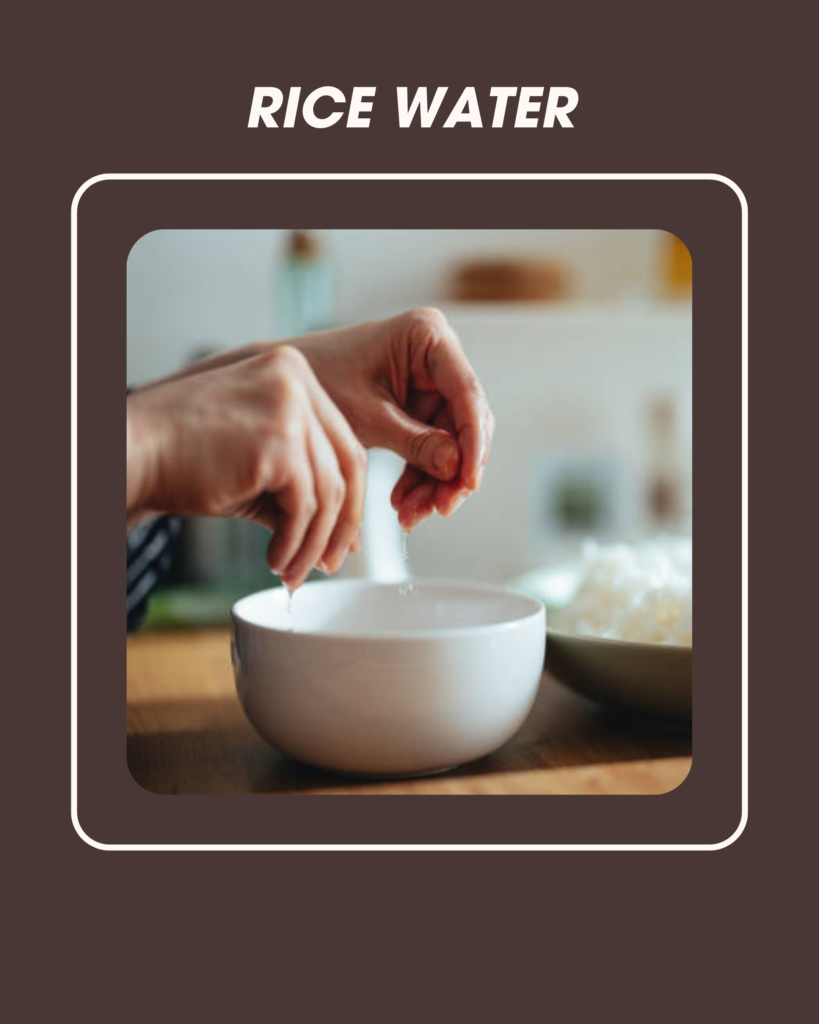
East Asia: Rice Water for Strength and Length Retention
Rice water has been used for centuries in China and Japan, particularly among women known for maintaining exceptionally long hair. The Red Yao women are famous for their floor-length hair and use of rice water.
Researchers report that rice water contains protein- and lipid-rich compounds that can improve hair elasticity and reduce surface friction, resulting in smoother, stronger strands. Rice water can be used to soak, shampoo, or rinse hair.
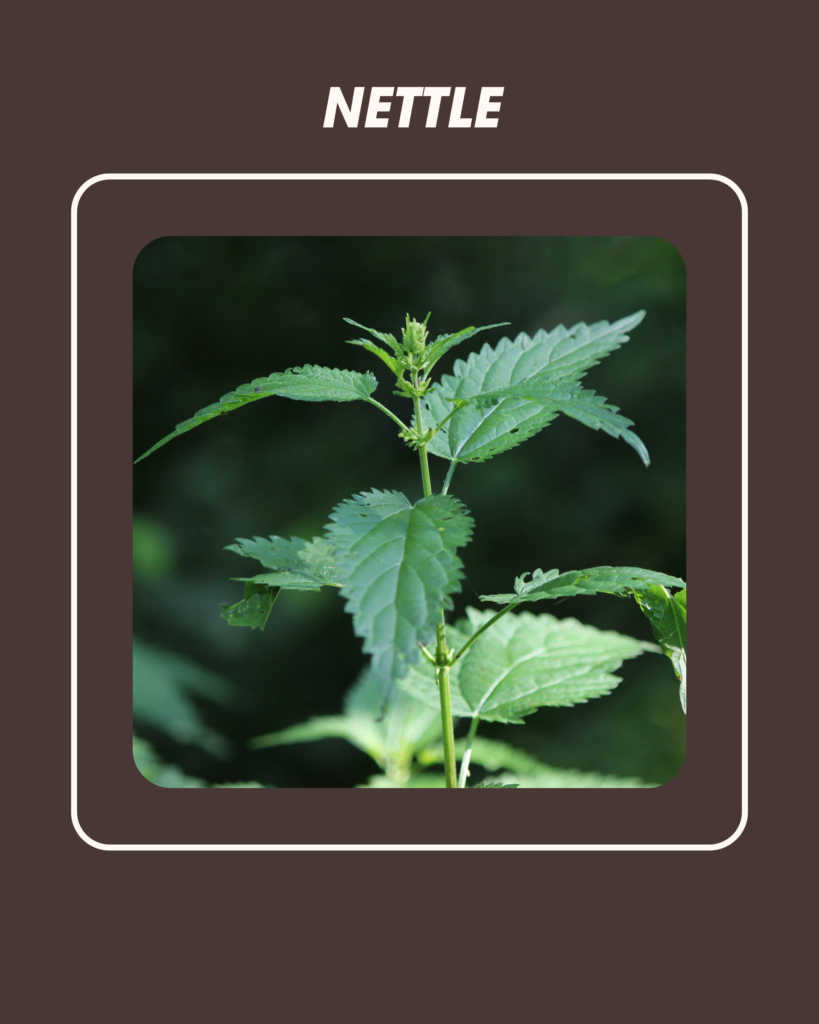
Slavic Traditions: Nettle for Growth Support
In parts of Eastern Europe, nettle has long been used in hair rinses and masks to strengthen hair and support growth.
Researchers report that Nettle is used to manage dandruff and eczema while supporting the hair’s natural color. It is believed to promote scalp health and encourage hair growth.
Nettle is rich in vitamins and minerals, including iron and silica. A 2025 article in the New York Post highlighted the resurgence of this “grandmother remedy,” while additional research points to nettle’s nutrient density and traditional medicinal use.
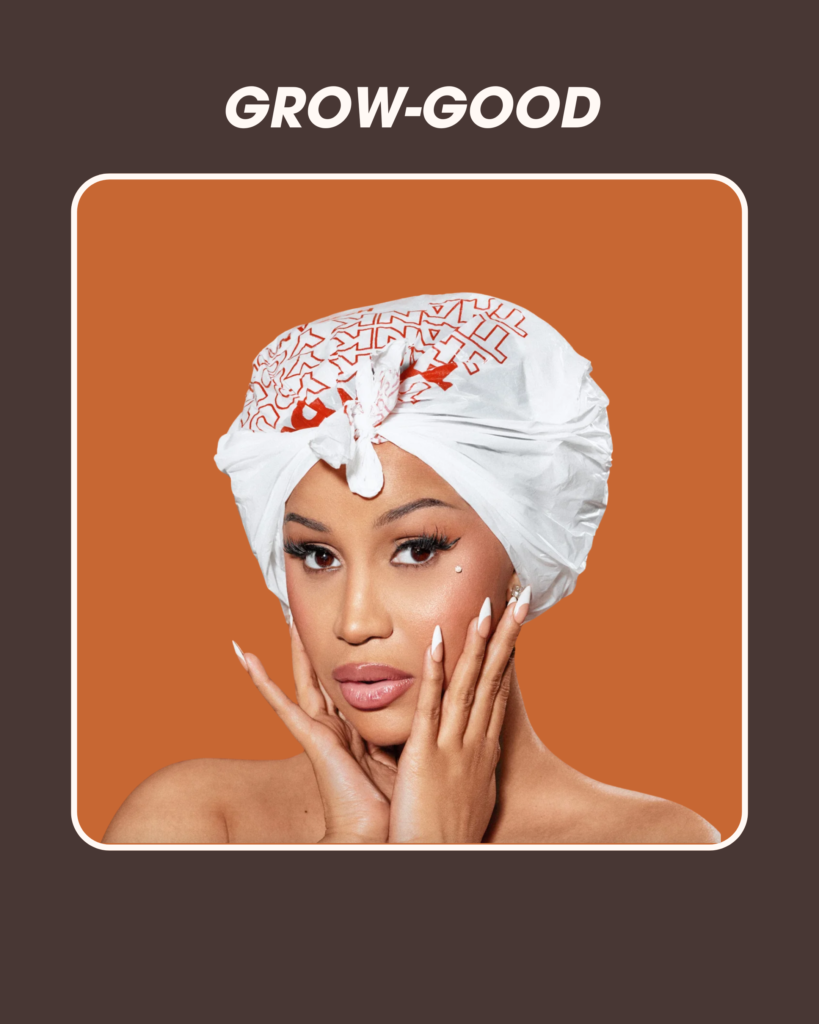
Back to Cardi
Cardi B joins celebrities like Beyoncé and Tracee Ellis Ross, who have swept the haircare market by developing innovative treatments for ethnic hair. If you can’t afford to test out the celebrity lines, we hope this list of homemade, culturally rooted solutions can help your hair reach its optimal health and shine.