
It’s estimated that 1 in 141 people in the United States have celiac disease, an autoimmune condition in which the ingestion of gluten — a protein found in wheat, barley, and rye — damages the small intestine.
According to the National Institute of Diabetes and Digestive and Kidney Diseases, strict, lifelong avoidance of gluten is currently the only effective treatment, making accurate detection essential in everyday life.
While many people remain undiagnosed, for those living with celiac disease or gluten intolerance, eating is rarely simple. Even cutting gluten-free bread on a surface where glutenous bread was once sliced can be enough to trigger symptoms.
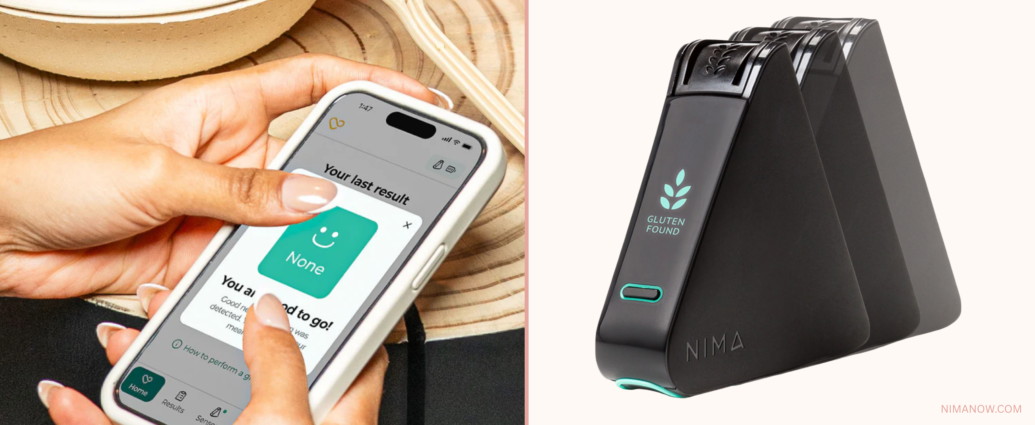
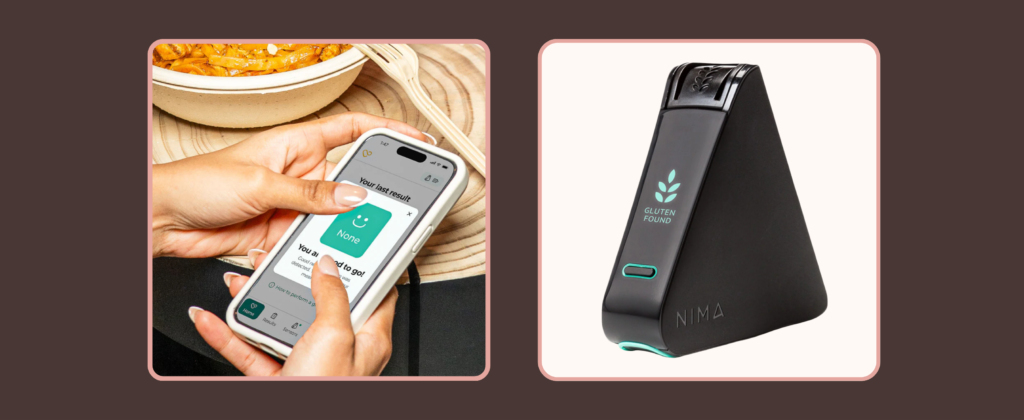
A small handheld device called Nima aims to reduce that uncertainty.
Founded in 2013 by MIT students Shireen Yates and Scott Sundvor, the Nima device allows users to place a small sample of food into a single-use capsule, insert it into the device, and receive a result in minutes. According to the company, the device is designed to detect gluten proteins at low levels, delivering a simple “smiley face” or warning indicator depending on the result.
The company struggled to sustain itself during the pandemic, but a new wave of funding is helping revive its momentum — and, with it, a sense of possibility for the gluten-intolerant community. While the device’s subscription-based capsules and roughly $300 starter kit carry a high price tag, its ability to support everyday decision-making is difficult to overlook.
For those with celiac disease, the impact extends far beyond the small intestine. Accidental gluten consumption can trigger anxiety and depression. For expecting mothers, celiac flare-ups have also been associated with increased risks of infertility and miscarriage, in part due to nutritional deficiencies and anemia caused by impaired nutrient absorption.
This is where Nima positions itself: not as a replacement for dietary vigilance, but as a tool to reinforce it.
Still, the device has not been without scrutiny. Its testing capabilities make potentially gluten-containing items like beer, soy sauce, and malt vinegar difficult to assess. And because it analyzes only a small sample, it may not fully capture uneven gluten distribution within a dish — meaning results should be interpreted with caution.
For users, the value proposition is less about innovation for its own sake and more about control. Food, after all, is deeply social — tied to travel, celebration, and community. For people with celiac disease, those experiences can be overshadowed by uncertainty.
At the very least, the device can help weed out food items users might otherwise consume. Anyone who has been “glutened,” a common term among those with gluten intolerance, will tell you that’s reason enough to invest.