
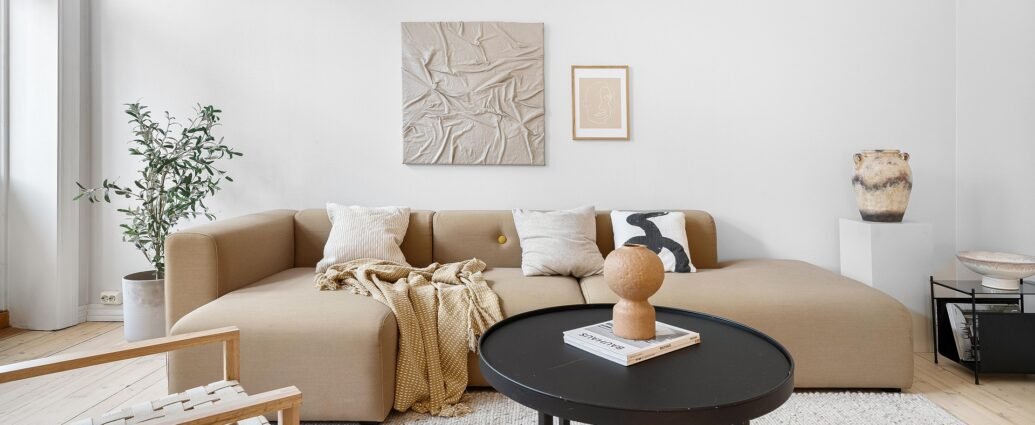
If your space feels like it’s draining your energy instead of replenishing it, you’re not alone. As conversations around mental health become more nuanced, our homes are being reevaluated not just for style, but for their sensory and psychological impact.
Research from Harvard’s T.H. Chan School of Public Health identified nine key pillars of home health, including indoor conditions like light, air quality, and noise. The good news: you don’t need to gut-renovate your apartment to benefit from these insights.
Here are five low-cost ways to create a space that supports your emotional health.
1. Let the Light In — Literally
Natural light isn’t just a design darling; it’s closely tied to sleep, mood, and circadian rhythms. If you’re working with a low-light space, try using mirrors to bounce daylight deeper into the room. Swap heavy drapes for sheer curtains or adjustable blinds. Even placing your desk or reading chair closer to a window can improve how your body moves through the day.
2. Rethink Your Color Strategy
Color shapes emotional response more than we often realize. Research suggests people tend to prefer colors associated with positive experiences or objects in the world around them.
Soft blues and greens can feel calming, while warm neutrals may feel grounding. Instead of following trends, ask how you want to feel in each room, then choose hues that support that emotion.
3. Create Zones That Reflect Your Needs
An open floor plan might look beautiful in photos, but research shows that open floor plans take a toll on your brain, meaning our daily routines often benefit from clearer boundaries. Creating small zones for specific activities helps the brain shift gears.
A chair and lamp can become a reading corner. A tray with candles and a journal might signal a wind-down ritual. You don’t need more square footage, just visual cues that help define how a space is meant to be used.
4. Declutter for Mental Clarity
Clutter has been linked to depressed moods. And research has found that people who described their homes as cluttered showed less heightened cortisol patterns.
The goal isn’t perfection. Clear the surfaces your eyes land on most often and keep objects that feel meaningful rather than overwhelming.
5. Bring in Biophilia — No Green Thumb Required
Plants are more than decoration. A study found that interacting with indoor plants can reduce psychological stress.
If you’re worried about upkeep, try low-maintenance plants like pothos, snake plants, or ZZ plants. Even a small touch of greenery can soften a room.
Designing for mental health isn’t about creating a perfect space. It’s about creating one that makes you feel safe, supported, and at ease one thoughtful decision at a time.