
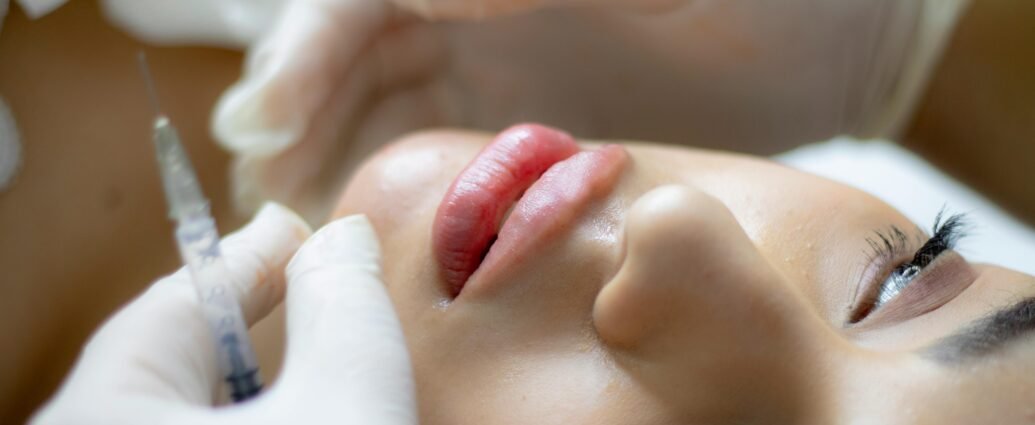
Aesthetic injectables are no longer a niche procedure for the ultra-wealthy or ultra-famous; they’re a core pillar of modern beauty. From subtle lip enhancements to sculpted cheekbones and preventative Botox, the global appetite for aesthetic injections is accelerating (and fast).
According to an industry report by Grand View Research, the global injectables market is projected to reach $24.13 billion by 2030, up from $10.99 billion in 2023, with a compound annual growth rate (CAGR) of 12.1%. This explosive growth reflects a convergence of consumer demand, shifting beauty norms, and technological innovation—all signaling that injectables are no longer a luxury, but a lifestyle investment.
“The global injectables market is projected to reach $24.13 billion by 2030, up from $10.99 billion in 2023.”
McKinsey & Company forecasts similar momentum, estimating that the global market could grow by 12 to 14 percent annually over the next five years if manufacturers and providers capitalize on emerging trends. That includes innovation in products, targeted marketing toward younger consumers, and expanded access in global markets.
The normalization of aesthetic procedures among Millennials and Gen Z, combined with increased social media transparency and influencer marketing, has helped destigmatize injectables. Other viral medical treatments are also boosting interests in fillers.
In an interview with the Financial Times, Galderma CEO Flemming Ørnskov said that GLP-1 weight-loss medications like Ozempic are also driving increased demand for fillers. “If they lose eight to 10 kilos or more, they start showing facial sagging,” he explained. “There, people will need to use a filler.”
Due to their safety, hyaluronic acid-based dermal fillers remain the category leader, capturing 35% of the dermal filler market. Coherent Market Insights projects the market will grow from $5.21 billion in 2025 to nearly $11 billion by 2032. New treatments that target specific problem areas like nasolabial folds were recently approved by the FDA and more targeted treatment are expected to roll out in the coming months.
“Fillers are a medical procedure and should be treated as such. They offer a great nonsurgical option for volumizing the face, but they are not without serious possible adverse effects.” – Hadley King, MD for Vogue
From an industry standpoint, legacy brands and pharma-backed players are positioned to benefit the most from growing demand. Galderma, the company behind Dysport and Restylane, went public in March 2024 and raised approximately $2.7 billion. The company’s share price has more than doubled since its debut, reflecting investor confidence in the booming aesthetics sector.
Still, challenges remain. With more providers entering the space, and more consumers seeking discount treatments, regulators are increasingly concerned about safety. The FDA has issued new guidance around filler labeling and adverse event reporting, while advocacy groups push for tighter licensing rules to prevent misuse.
In an interview with Vogue, New York City–based dermatologist Hadley King, MD, cautioned that “Fillers are a medical procedure and should be treated as such. They offer a great nonsurgical option for volumizing the face, but they are not without serious possible adverse effects.”
As the market matures, one thing is clear: injectables are not a passing trend. They’re an evolving category at the intersection of beauty, health and tech, and their future is as dynamic as the faces they shape.