
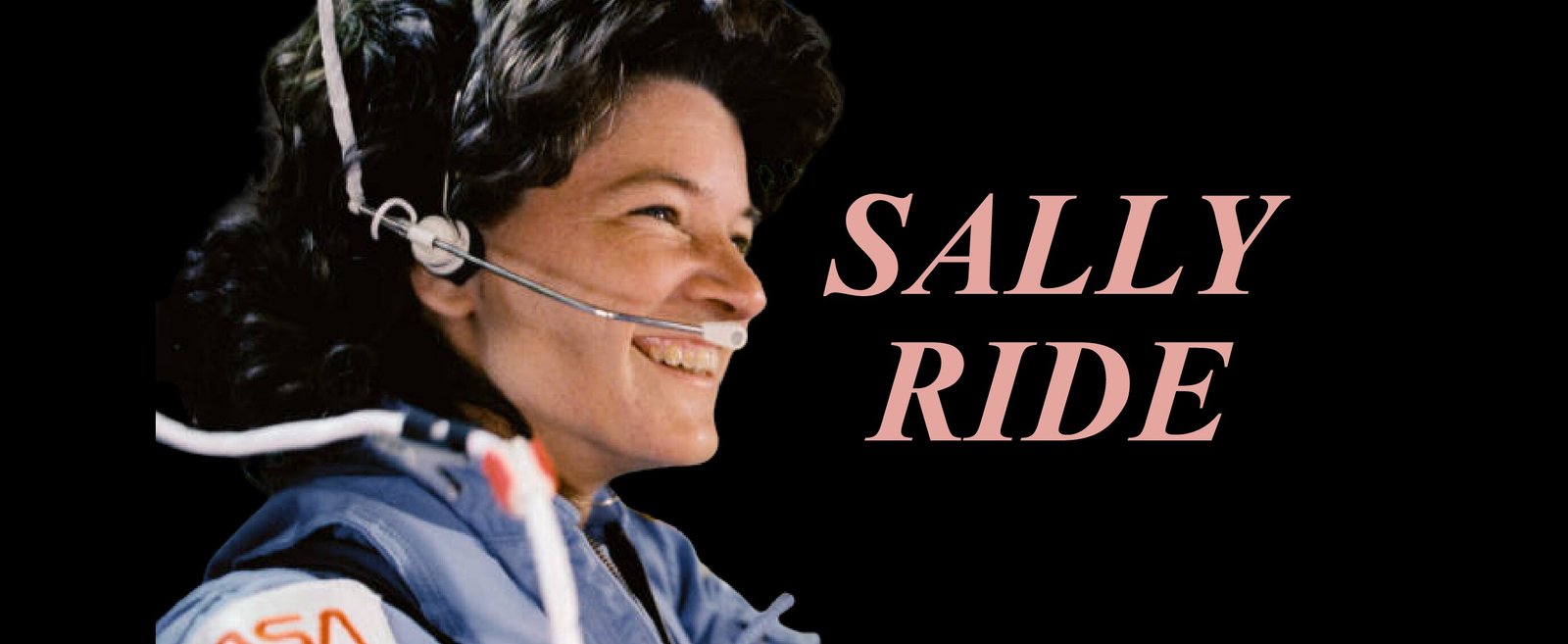
When Sally Ride blasted into orbit aboard the space shuttle Challenger in 1983, she became the first American woman in space—instantly transforming the image of who belonged in science and exploration.
Ride was born on May 26, 1951, in Los Angeles and grew up with a strong interest in both academics and athletics. She excelled in tennis as a teenager and briefly considered pursuing the sport professionally before turning her focus to physics. She later attended Stanford University, where she earned degrees in English and physics before completing a doctorate in astrophysics in 1978.
In 1977, Ride answered a newspaper advertisement seeking applicants for NASA’s astronaut program. She became part of NASA’s first astronaut class to include women, joining the agency alongside five other female candidates.
On June 18, 1983, Ride made history aboard Challenger during the STS-7 mission. She operated the shuttle’s robotic arm and helped deploy communications satellites during the six-day mission. At 32 years old, she became the youngest American astronaut to travel to space at the time.
Ride flew a second mission in 1984 and later served on the investigative commissions examining both the Challenger and Columbia shuttle disasters. Her scientific contributions extended beyond spaceflight itself; she became a major advocate for science education and founded Sally Ride Science, an initiative focused on encouraging young people to pursue careers in STEM.
After Ride died from pancreatic cancer in 2012 at age 61, The New York Times described her as a “trailblazing astronaut” whose achievements reshaped opportunities for women in science and engineering.
Today, Ride remains one of the most influential figures in American space history, a scientist whose legacy reaches far beyond Earth’s orbit.